Flu symptoms and recovery: what to know during flu season
You wake up feeling a little off. Perhaps you went to bed with a scratchy throat or a mild headache. By lunchtime,…
You wake up feeling a little off.
Perhaps you went to bed with a scratchy throat or a mild headache. By lunchtime, you’re exhausted. Your body aches. Even simple tasks feel harder than they should. You cancel plans, move meetings, and tell yourself you’ll be fine after an early night.
But you’re not.
Influenza, commonly known as the flu, has a way of stopping life in its tracks. During flu season, many people are surprised by how quickly symptoms can develop and how long it can take to feel like themselves again.
For busy professionals, parents and carers, the disruption often extends beyond physical symptoms. Illness and the slow process of recovery can have an impact on your energy levels, work rhythm, exercise routines and sleep patterns.
What is the flu?
Influenza is a highly contagious viral infection that affects the respiratory system, including the nose, throat and lungs. Most people recover relatively easily at home, but some groups are at higher risk of serious illness, including the very young and old, smokers, and those with underlying health conditions or pregnancy.
Flu cases usually peak in winter and, each year in Australia, flu causes about 3,500 deaths, 18,000 hospitalisations and 300,000 visits to a GP. The flu should be taken seriously.
What are common flu symptoms?
Flu symptoms commonly include:
- Fever
- Chills or sweats
- Muscle aches and body pain
- Headache
- Fatigue or extreme tiredness
- Cough
- Sore throat
- Runny or blocked nose
Some people may also experience nausea, vomiting or diarrhoea, particularly children.
It may take a week or so for most symptoms to fade, though you may find that the cough and fatigue drag on for a fortnight more.
How long does flu recovery take?
Flu can strike quickly and linger like an unwelcome guest. Fever, congestion and body aches may start to ease by the end of the first week, but the fatigue and cough may persist for weeks after the initial infection has resolved.
Recovery is rarely a straight line, and many people find they need more rest than expected. It can be frustrating to be under pressure to pick up your responsibilities when your energy, concentration and exercise tolerance have not fully returned.
It is not uncommon to feel:
- More tired than usual
- Less productive or mentally sharp
- Frustrated by reduced energy levels
- Slower to return to your usual routine.
Looking after yourself during flu recovery
Resting when you have the flu allows your body to direct energy towards healing and immune function. Try to:
- Stay hydrated
- Prioritise sleep and rest
- Return to normal activities gradually
- Eat regular, nutritious meals when possible
- Avoid strenuous exercise until symptoms have improved
- Follow medical advice regarding symptom management.
When should you see a doctor for flu?
Many cases of influenza can be managed at home with rest, fluids and symptom management, but there are times when medical review is appropriate.
Please see your GP if:
- Symptoms are severe or worsening
- You are having difficulty breathing
- Fever is persistent or returns after improving
- Symptoms are not improving as expected
- You are pregnant
- You have underlying medical conditions
- Recovery feels unusually prolonged
- You’re in a higher-risk group, such as:
- Children under 5
- Adults over 65
- Aboriginal and Torres Strait Islander peoples.
If you’re not sure what you should do, you can call 1800MEDICARE (1800 633 422) for 24/7 advice from a registered nurse.
How can we help?
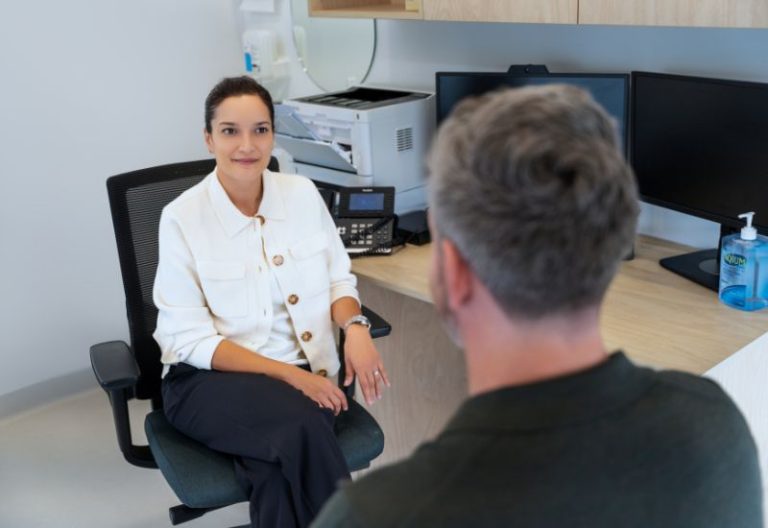
Flu can have a significant impact on your energy, productivity, family life and overall wellbeing. We provide comprehensive primary care, preventive health support and personalised advice to help you recover and return to your usual routine.
Please book an appointment if you would like support during flu season.
Disclaimer: All information is general and not intended as a substitute for professional advice.
References
- Australian Centre for Disease Control. (2026, February 11). Influenza (flu). https://www.cdc.gov.au/diseases/influenza-flu
- Healthdirect Australia. (2024, April). Flu (influenza). https://www.healthdirect.gov.au/flu
- Better Health Channel. (2026, March 16). Influenza (flu). Department of Health, State Government of Victoria. https://www.betterhealth.vic.gov.au/health/conditionsandtreatments/flu-influenza