Staying Sun Smart This Festive Season
Summer in Brisbane means long, warm days, outdoor celebrations, and holiday activities that make the most of our beautiful Queensland climate. But…
Summer in Brisbane means long, warm days, outdoor celebrations, and holiday activities that make the most of our beautiful Queensland climate. But with the festive season falling during our highest UV period of the year, it’s also a time when sun protection becomes especially important.
South East Queensland experiences some of the strongest UV radiation in the world, often reaching extreme levels by mid-morning—even on cloudy days. This makes effective sun protection essential for everyone heading outdoors.
Queensland UV is different
Across Queensland, and particularly around Brisbane, UV levels are consistently high through spring and summer. Even short exposures like walking the dog, hanging the washing, watching kids play cricket at the park, or sitting in the backyard, can cause UV damage without noticing.
More than 95% of skin cancers are caused by UV exposure, so the more protective you are now, the better your skin health in the long-term.
Christmas In Queensland = Sun Exposure
Queensland experiences intense weather throughout the festive period; blazing hot temperatures, wild storms, and perfect summer days. For Queenslanders, Christmas often means a lot of social activities outside. When the weather is perfect (and even when it’s not so perfect), many of us will spend hours at backyard barbecues, enjoying nature, having picnics, playing sport, camping, boating, heading to the beach or hanging by a pool.
Water reflections, bright conditions and long outdoor days all increase UV exposure, and if you’ve not been in the habit of putting on daily sunscreen, throwing on a hat, you could find yourself catching more rays than you intended.
SunSmart Steps
You’ve heard of Slip, Slop, Slap—but the full five steps offer the best protection:
✔ Slip on protective clothing
✔ Slop on SPF 50+ sunscreen
✔ Slap on a broad-brim hat
✔ Seek shade during peak UV
✔ Slide on sunglasses
In Queensland, sunscreen alone really isn’t enough.
Sunscreen Tips
Earlier this year, consumer group CHOICE published a report that highlighted the poor performance of a number of well-known sunscreen brands. Of 20 sunscreen products, only 4 provided the SPF level indicated on the label. One product, Ultra Violette SPF50+ Lean Screen Mineral Mattifying Zinc, provided SPF coverage of just 4.
The Therapeutic Goods Administration pulled 18 of these mineral sunscreens from sale, with all products recalled sharing the same base formula.
You can see the full list of affected products here.
The Difference Between Mineral and Chemical Sunscreen
Mineral sunscreens use ingredients like zinc oxide and titanium dioxide to create a physical barrier that blocks UV rays by reflecting and scattering them away from your skin. Many people with sensitive skin and allergies prefer to use mineral sunscreens. Mineral sunscreens start working as soon as they are applied (much like a putting on a long-sleeved shirt or wearing a hat provides immediate protection from the sun). Mineral sunscreens do tend to be thicker, and are less-water resistant than chemical sunscreens.
Chemical sunscreens use a combination of active ingredients that act like a filter to absorb UV rays as they hit your skin. These ingredients can include oxybenzone, avobenzone, octisalate, octocrylene, homosalate, and octinoxate. Chemical sunscreens tend to be more light-weight and water resistant, making them highly effective for water activities, sweaty conditions, and high humidity. Chemical sunscreens need to be applied 20 minutes before sun exposure to have time to be absorbed into the skin.
Both mineral and chemical sunscreens provide highly effective forms of sun protection.
- Always choose SPF 50+
- Apply 20 minutes before going outdoors
- Reapply every 2 hours (or after a swim!)
- Keep a bottle in your bag or car
- Don’t rely on last year’s leftovers – check those expiry dates.
Skin Checks Are Essential In Queensland
Queensland has the highest rates of skin cancer in Australia, and regular skin checks are especially important to identify and treat potential skin cancers as early as possible – including melanoma.
There are three main types of skin cancer:
- Basal Cell Carcinoma
- Squamous Cell Carcinoma
- Melanoma
Melanoma is the most dangerous and aggressive form of skin cancer, claiming the lives of around 400 Queenslanders every year.
One Of The Most Preventable Cancers
Skin cancer is one of the most preventable and treatable forms of cancer. The sooner a skin cancer is found and treated, the better your chances for avoiding significant surgery and even death.
Every Queenslander should have a full body skin check every 12 months, more-so if you work or spend greater than average time in the sun. Remember: skin damage builds over time, even if you tan easily.
Book in for a skin check if you:
- Have not had a skin within 12 months
- Notice new spots
- Notice moles changing shape or colour
- Have a sore that doesn’t heal
- Have itching or bleeding skin
- Find a spot that looks unusual or suspect.
Not sure what to look for? Follow the ABCDE rule.
What is the ABCDE of Skin Checks?
When checking your skin at home, the ABCDE rule can help you recognise early warning signs of melanoma. These checks don’t replace a professional skin check, but they can help you keep track of changes and know when something should be reviewed by your GP.
The ABCDEs of melanoma:
- A – Asymmetry: one half doesn’t match the other
- B – Border: edges are irregular, ragged or blurred
- C – Colour: different shades of brown, black, red, or uneven tone
- D – Diameter: larger than 6mm (about the size of a pencil eraser)
- E – Evolving: changing in size, shape, colour or becoming itchy or bleeding
If you notice any of these features, or simply notice something that just looks “different” of feels suspicious compared to your other spots, it’s best to book a skin check with your GP for peace of mind.
UV Is High – Even On Cloudy Brisbane Days!
Brisbane UV levels often stay high well past 5pm, and cloud cover doesn’t block UV. UV is invisible, so don’t use temperature or sunshine as a guide.
Check the UV index daily—if UV is 3 or higher (which it almost always is over summer), sun protection is a must.
Looking For Practical Gift Ideas?
- Sunscreen in beach bags
- Broad-brimmed hats
- Beach cover-ups and long sleeved shirts
- Rash shirts for swimming
- Beach umbrellas and shades
Most skin damage starts before age 20, so extra protection for children and teens is essential in Queensland’s climate.
Supporting Your Skin Health
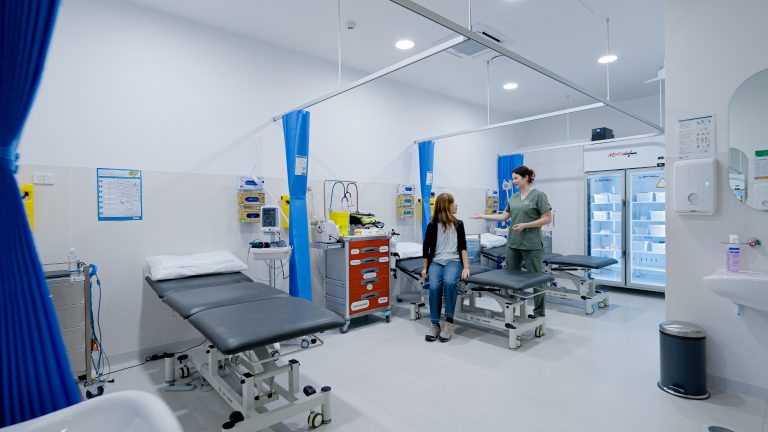
Our GP team includes General Practitioners who specialise in Minor Surgical Procedures, who can provide skin checks, sun safety advice and early detection treatments for various types of skin cancers. Procedures can be performed on site in our purpose-built treatment bay, without the need for an external referral.
Minor Procedures can include:
- Cryotherapy
- Skin Cancer Checks
- Biopsies
- Skin Tag Removal
- Cyst/Lipoma Removal
- Excisions
If you’re unsure about a mole or spot, or you’re simply due for a routine screening, book your skin check today.
Book A Skin Check Today
Give yourself peace of mind this summer and book in for a skin check today.
Call our friendly reception on 07 3155 3848, or book online.
From all of us at The Banyans Medical Centre and Specialist Clinics – stay cool, stay safe, and stay SunSmart this festive season in beautiful Queensland!